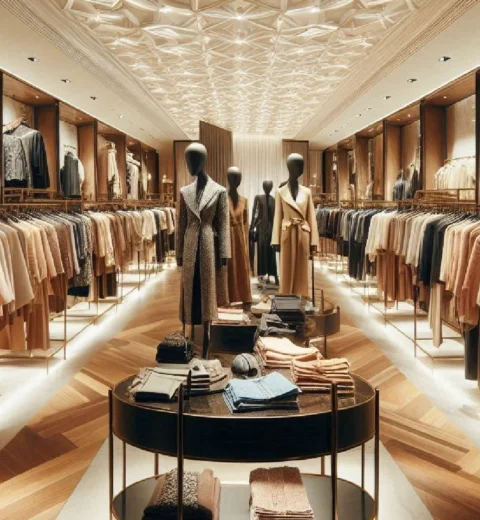
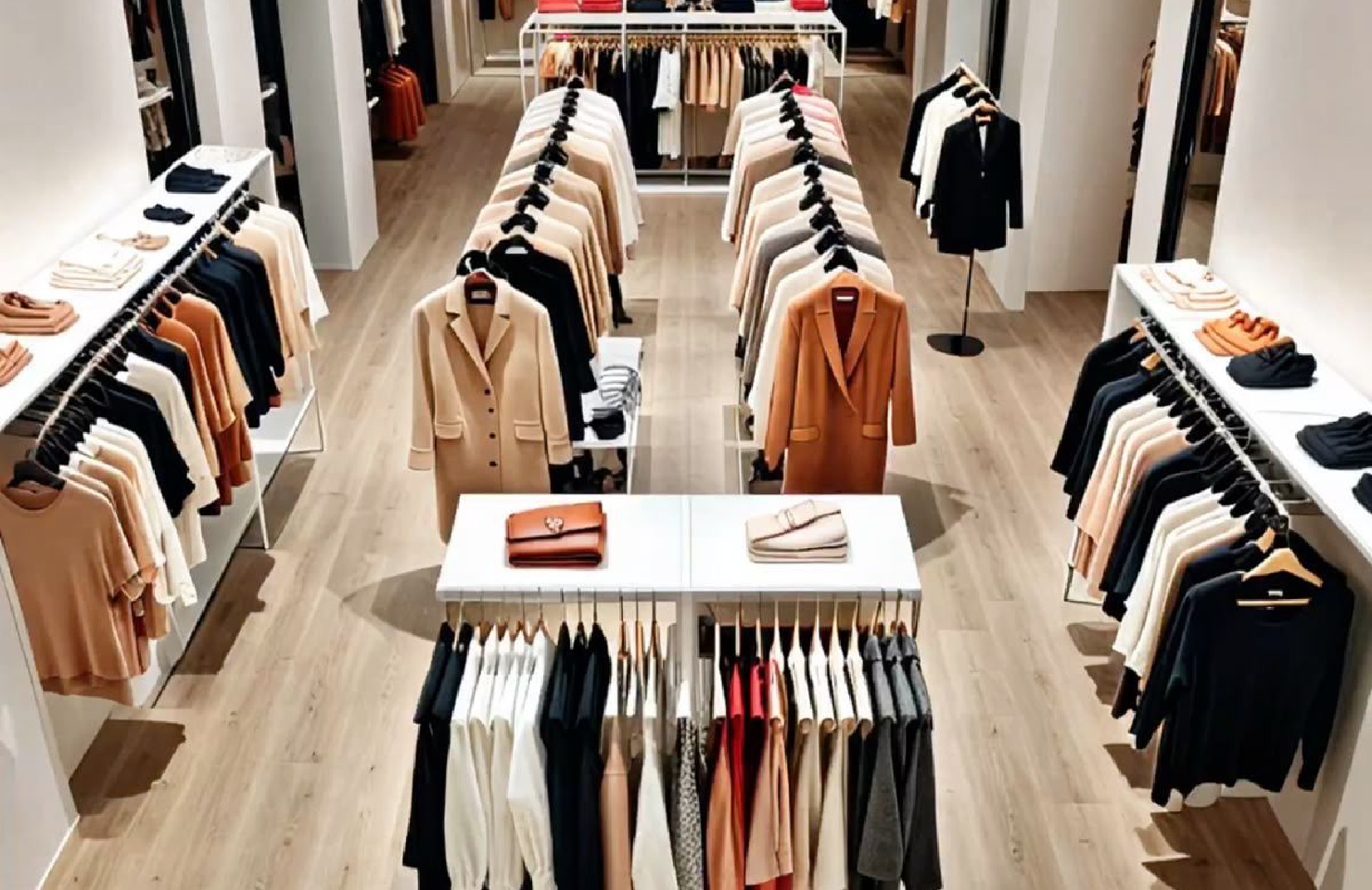
In today’s competitive retail industry, store interior design has become one of the most powerful tools for attracting customers and improving the overall shopping experience. A modern retail environment not only helps businesses display products effectively but also creates an atmosphere that encourages customers to explore, engage, and purchase.
From luxury boutiques to small commercial shops, professional retail store design plays an important role in building a strong brand image and increasing customer satisfaction.
The Importance of Retail Interior Design
Customers form opinions about a store within seconds of entering the space. A clean, organized, and visually attractive interior creates a positive first impression and helps customers feel more comfortable while shopping.
Modern retail interior design focuses on combining aesthetics, functionality, and branding to create spaces that improve both customer experience and business performance.
An attractive retail environment can:
- Increase customer engagement
- Improve product visibility
- Encourage longer store visits
- Strengthen brand identity
- Boost overall sales opportunities
Key Features of Successful Retail Store Design
Customer-Friendly Layouts
An organized store layout helps customers move comfortably throughout the space. Designers carefully arrange product sections, pathways, and focal points to create a smooth shopping journey.
A well-planned layout also improves product accessibility and customer convenience.
Attractive Product Displays
Product presentation is one of the most important aspects of retail design. Creative shelving, display units, and feature sections help products stand out and attract customer attention.
Professional retail interiors use visual merchandising strategies to improve product visibility and customer interaction.
Lighting Design
Lighting has a major impact on how customers experience a store. Bright lighting improves visibility while decorative lighting creates a more premium and welcoming atmosphere.
Retail designers often use layered lighting techniques to highlight important product areas and create visual depth.
Branding & Store Identity
Modern retail interiors should reflect the personality and branding of the business. Color schemes, signage, textures, materials, and decorative elements all help create a recognizable retail identity.
Strong branding improves customer trust and makes the shopping experience more memorable.
Comfortable Shopping Experience
Comfortable shopping environments encourage customers to spend more time inside the store. Proper spacing, organized displays, clean layouts, and inviting interiors all contribute to a better customer experience.
Popular Retail Design Trends
Some of the most popular retail interior trends include:
- Minimalist retail stores
- Luxury boutique interiors
- Industrial-style retail spaces
- Modern showroom concepts
- Contemporary fashion store designs
- Premium lifestyle retail environments
Each design style helps businesses create unique customer experiences based on their target audience.
Why Businesses Hire Professional Retail Designers
Professional retail interior designers help business owners transform ideas into functional and visually attractive spaces. Their services typically include:
- Retail space planning
- 2D layouts and floor plans
- 3D visual renders
- Display and shelving concepts
- Lighting and material selection
- Branding-focused design solutions
These services help businesses create more effective and visually impressive shopping environments.
Final Thoughts
Retail store design is more than decoration — it directly affects customer experience, brand image, and sales performance. A professionally designed retail environment helps businesses stand out in competitive markets while creating memorable shopping experiences for customers.
Whether you are opening a new boutique, upgrading a showroom, or redesigning a commercial store, investing in modern retail interior design can help create a more successful and customer-focused retail business.